
Retaining Walls in Northwest Arkansas
Northwest Arkansas isn't flat. Without a properly built retaining wall, slopes erode and usable yard space disappears. We build walls that hold up — properly drained, properly built from the base up.
Retaining Wall Services
Block Retaining Walls
The most common choice for residential properties. Concrete block is durable, versatile, and cost-effective — from small garden walls to large structural walls.
Natural Stone Walls
Nothing matches the look of natural stone in an Arkansas landscape. We build walls that look like they've always been there.
Tiered & Terraced Walls
On steeper slopes, a series of shorter walls creates a terraced effect — each level a new flat planting area or patio space.
Erosion Control Structures
On actively eroding slopes, we design walls and drainage systems that stop the erosion and stabilize the hillside before more damage occurs.
Sitting & Landscape Walls
Lower walls around patio edges, garden beds, or fire pit areas that serve as both structure and seating.
Your Retaining Wall Contractor in NW Arkansas
Unlimited Outdoors is a retaining wall contractor serving homeowners across Centerton, Bentonville, Rogers, and the rest of Northwest Arkansas. Whether you need a full retaining wall installation on a new slope or a rebuild of a wall that's already failing, we handle every step — design, excavation, drainage, and construction — under one roof.
What a Retaining Wall Actually Does
A retaining wall holds back soil to create a level, stable area on a sloped property. But done right, it does more than that:
- Stops erosion — keeps your topsoil where it belongs
- Creates usable space — turns an unusable slope into a flat area for a patio, garden, or lawn
- Controls water — properly built walls include drainage behind them to handle water pressure
- Adds value — a well-built wall increases your property's usability and curb appeal
- Solves combined problems — drainage issues and erosion often get fixed together with a well-placed wall
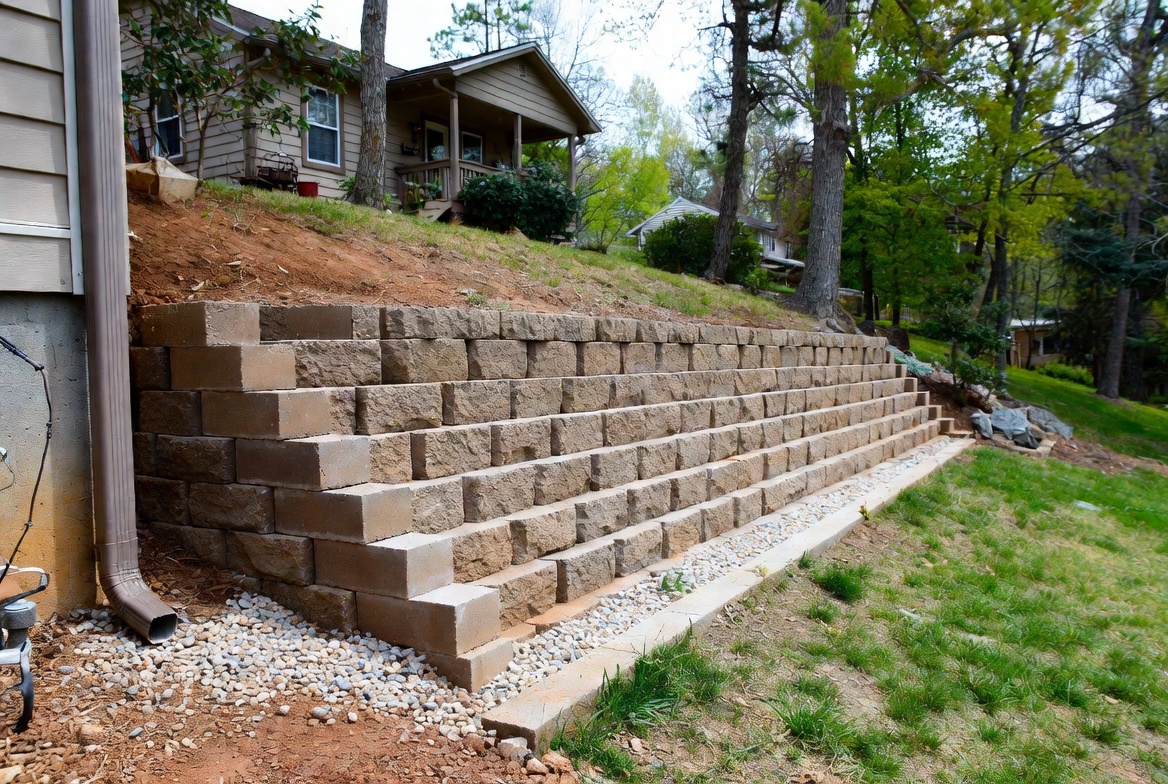
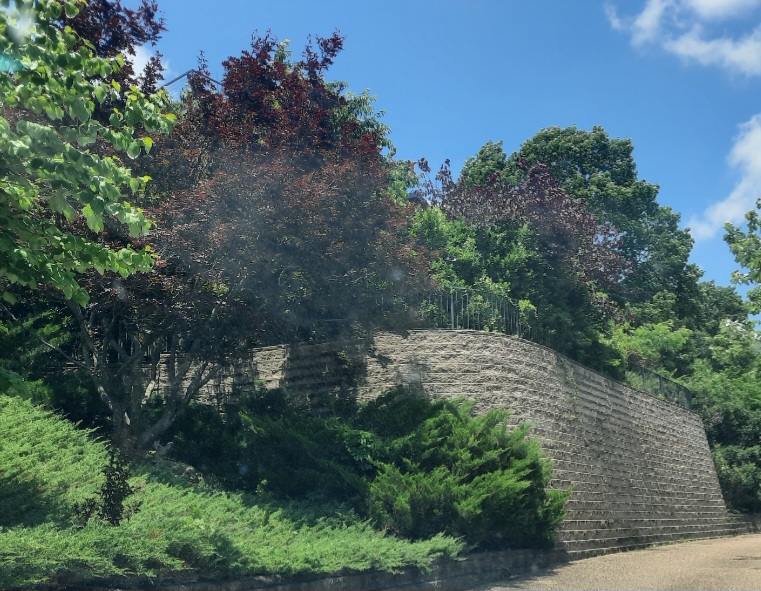
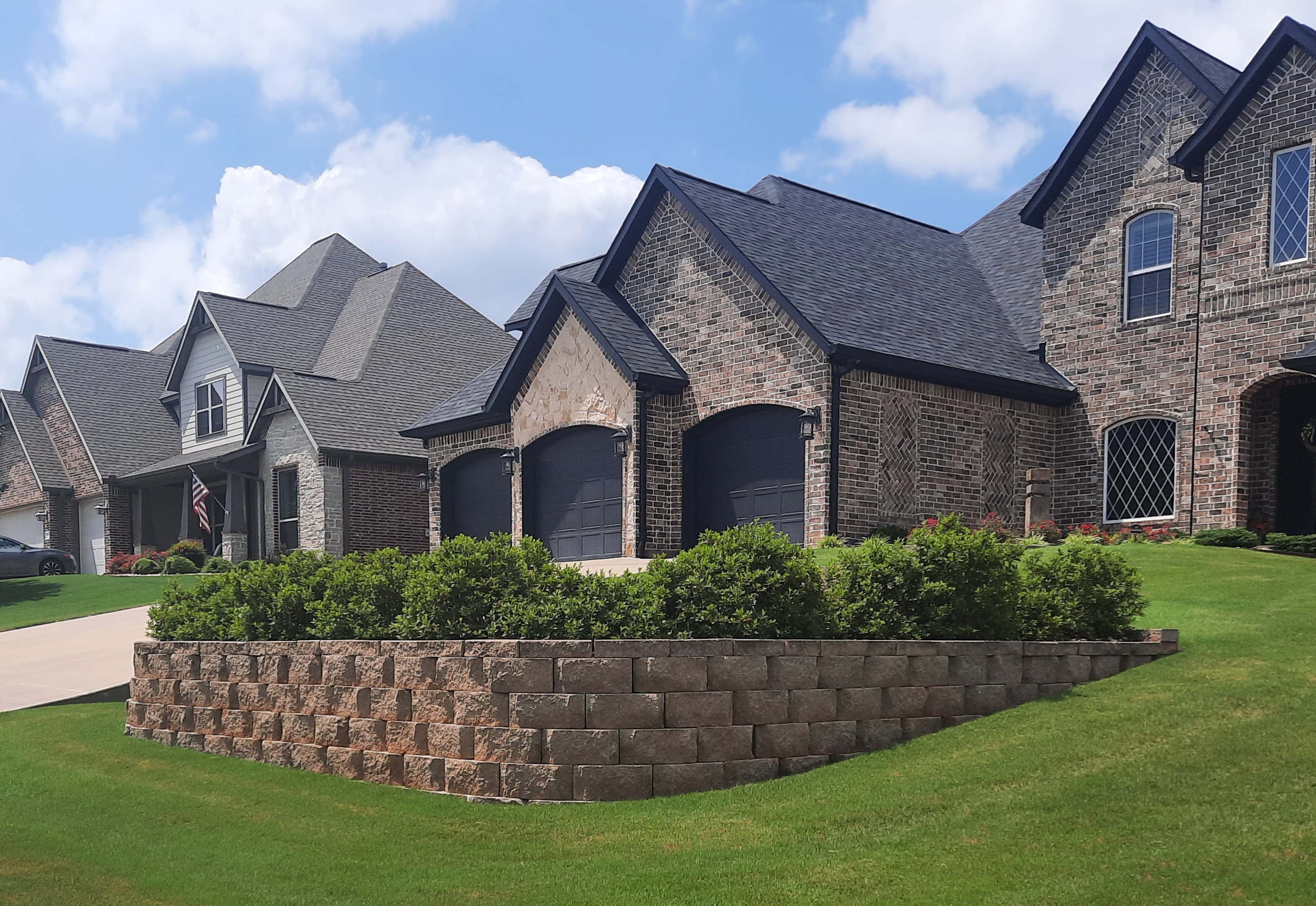
Why Base Prep Determines Whether a Wall Lasts
A retaining wall is only as good as what's under it. Walls fail because of poor base prep and inadequate drainage behind them.
Every wall we build starts with a properly compacted base. Drainage is built in from the beginning, not as an afterthought. That's the difference between a wall that lasts 30 years and one that's leaning by year five.
Where Our Materials Come From
We source block and natural stone through trusted local distributors here in Northwest Arkansas. We've built relationships with regional quarries and local yards over years of working together — so when we need a specific stone match or a hard-to-find block size, we can get it without waiting on a truck from three states away. For base aggregate and drainage rock, we use local quarries that produce material suited to NWA's clay-heavy soil.
Retaining Wall FAQ
How much does a retaining wall cost?
It depends on length, height, material, and site conditions. We give you a firm written quote after walking the property. Block walls are more affordable than natural stone.
Why do retaining walls fail?
Poor base preparation and inadequate drainage behind the wall. Water pressure builds up and pushes the wall out of line. We build drainage in from the start.
Block or natural stone — which is better?
Both last when built right. Block is more affordable and versatile; natural stone has a distinctive look that fits the Arkansas landscape. It comes down to budget and the look you want.
Do I need a permit for a retaining wall?
It depends on the height and your city's codes. Taller walls often require permits and engineering. We know the local requirements and will tell you what your project needs.
Do you offer free estimates?
Yes. We come out, look at the slope, and give you a written quote at no cost.
What a Retaining Wall Costs in NW Arkansas
Pricing depends almost entirely on size and site conditions, so we quote after seeing the property. Here's what moves the number:
- Length and height of the wall
- Material (standard block vs. natural stone)
- Site conditions — slope, soil, equipment access
- Drainage and base requirements
Ready to Stop That Slope From Winning?
Call or text us for a free on-site estimate. We'll walk your property and tell you exactly what we'd recommend.